The interest in the oldest history of North Hesse has a long tradition in Kassel. As early as 1708, Landgrave Carl initiated the exploration of the local burial mounds on the Mader Heide near Gudensberg. This was one of the first targeted excavations in Germany. Since 1779, the "local antiquities" could be viewed in the Fridericianum Museum. Under Prussian rule, the museum was finally transformed in 1875 into the "Central Collection Point for Prehistoric Antiquities of North Hesse". Until recently, a large part of the North Hessian archaeological finds therefore ended up in the archive of the collection for pre- and early history.
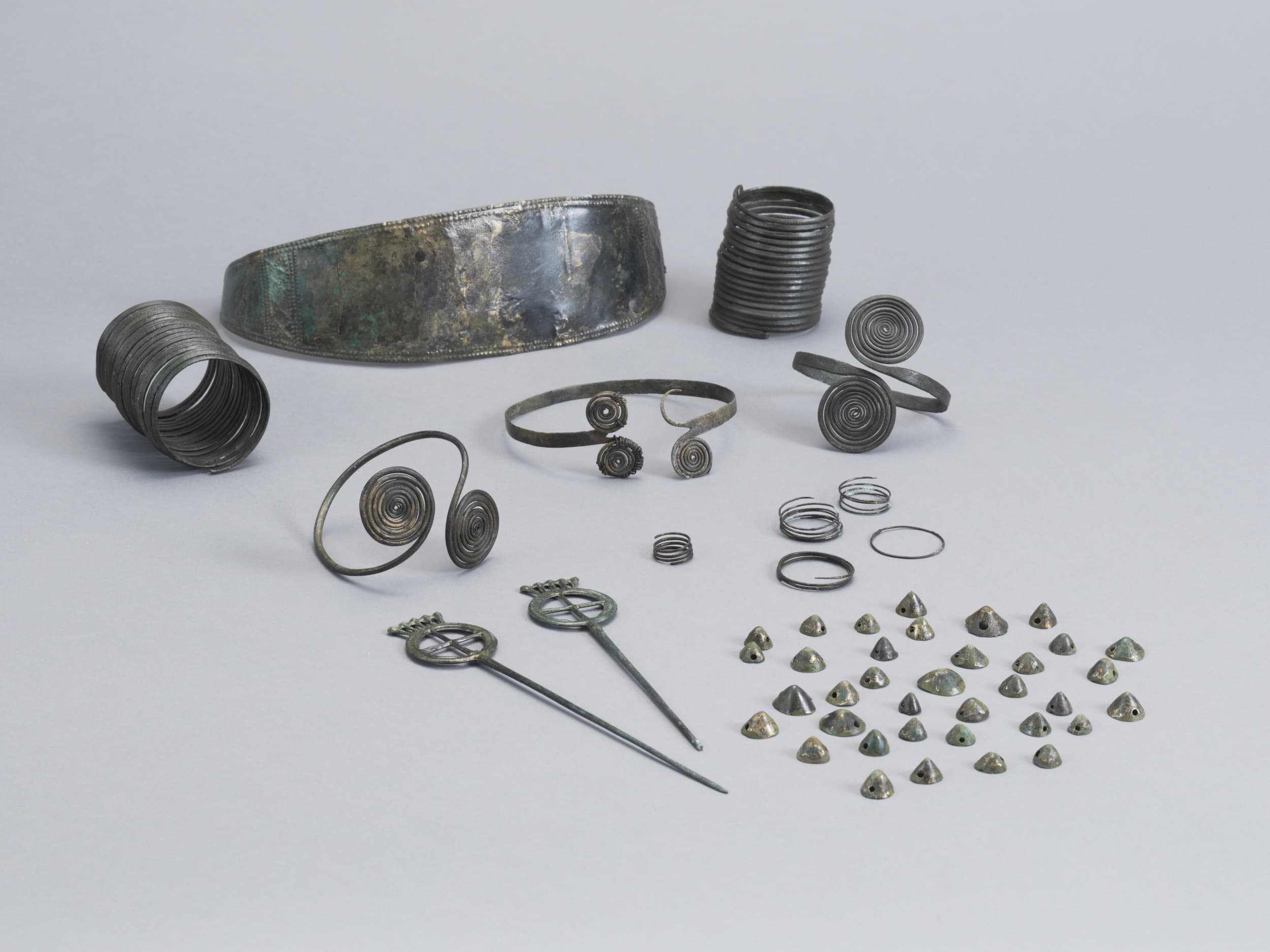
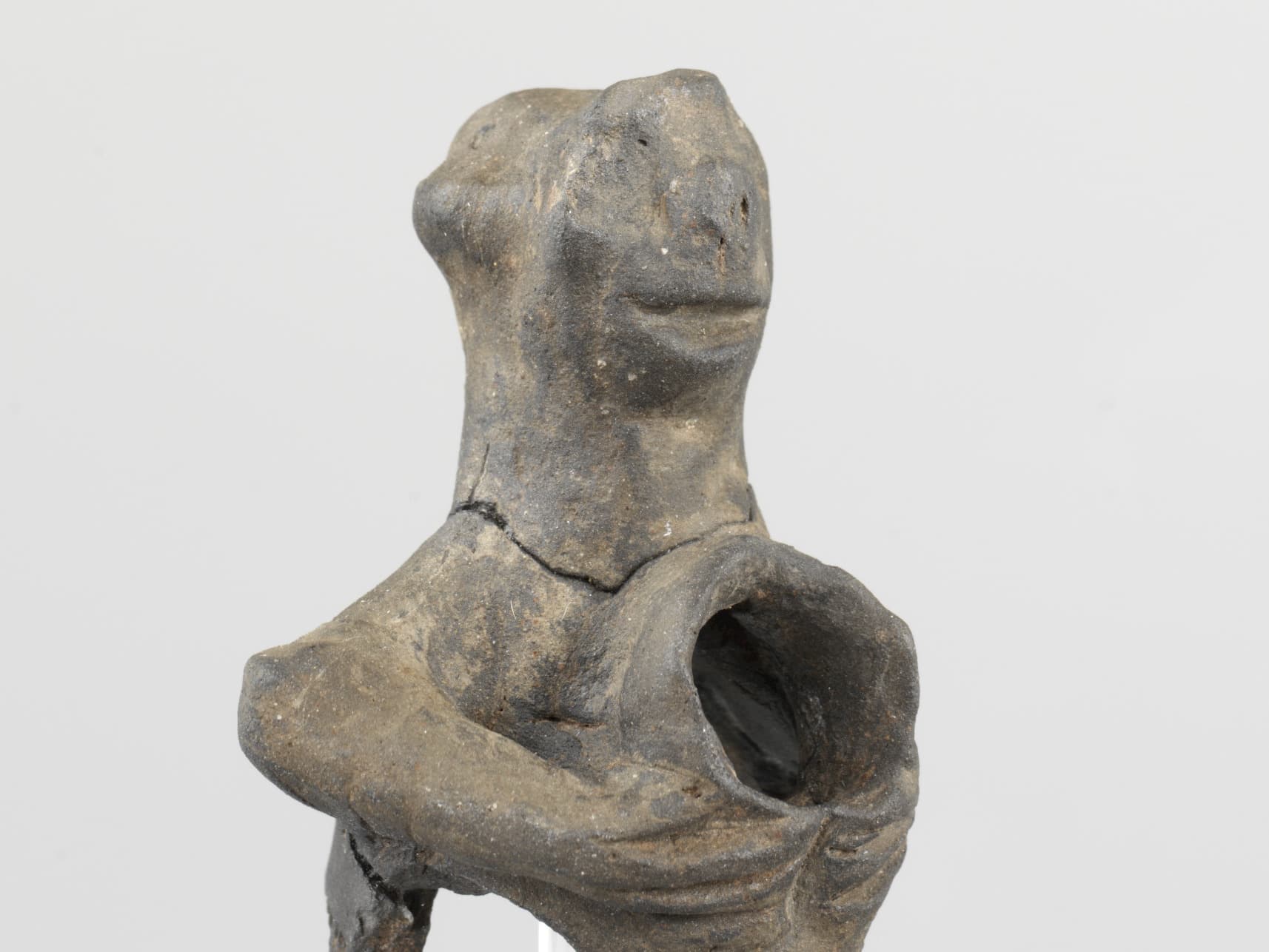
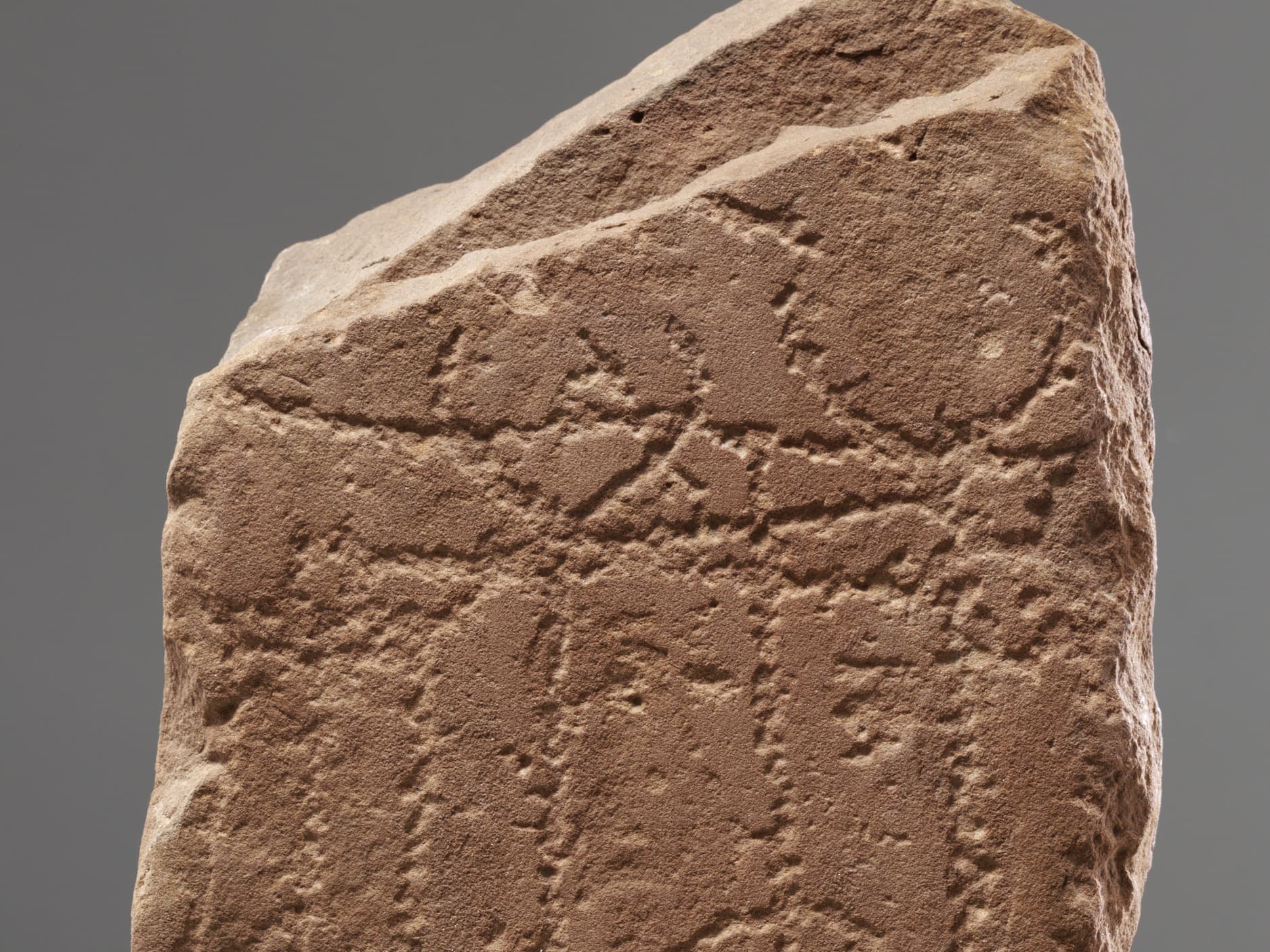
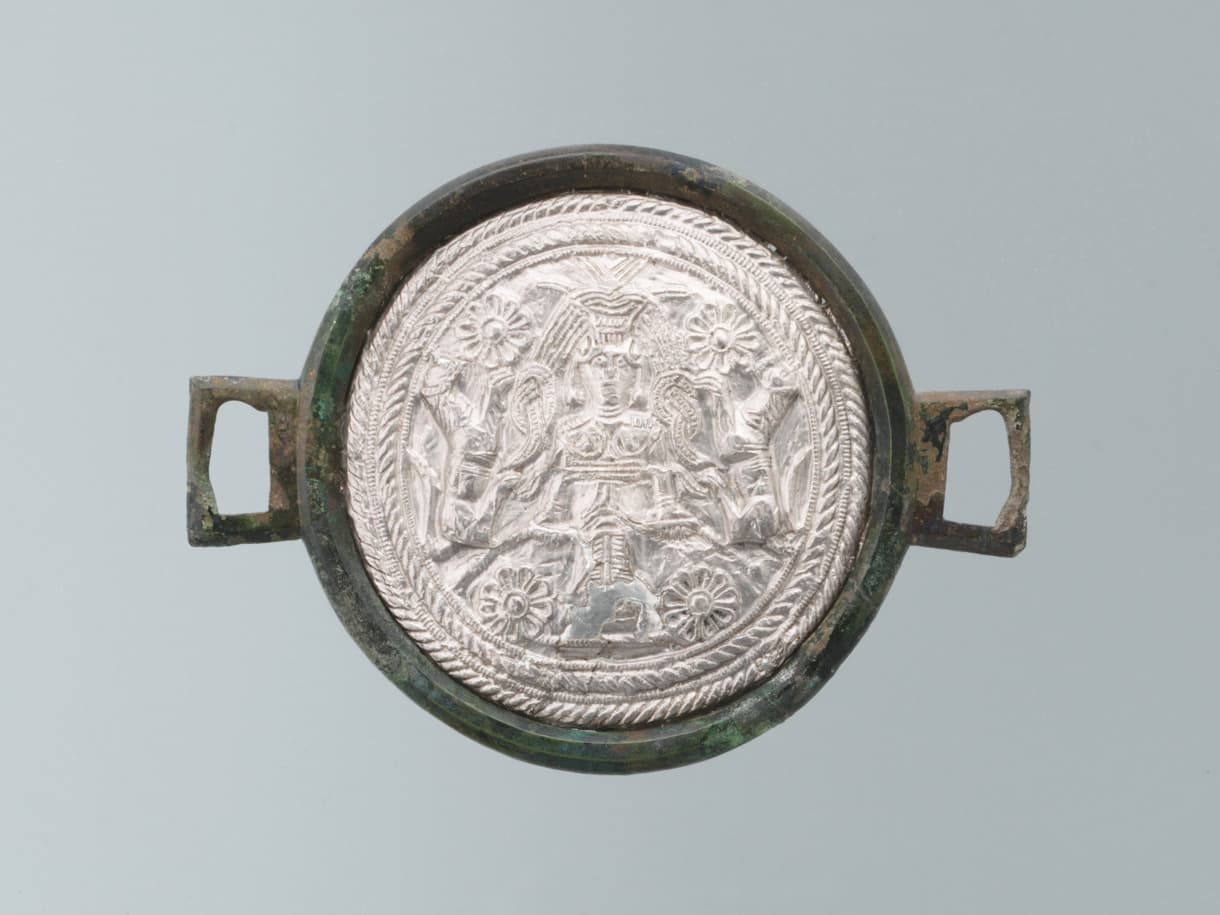
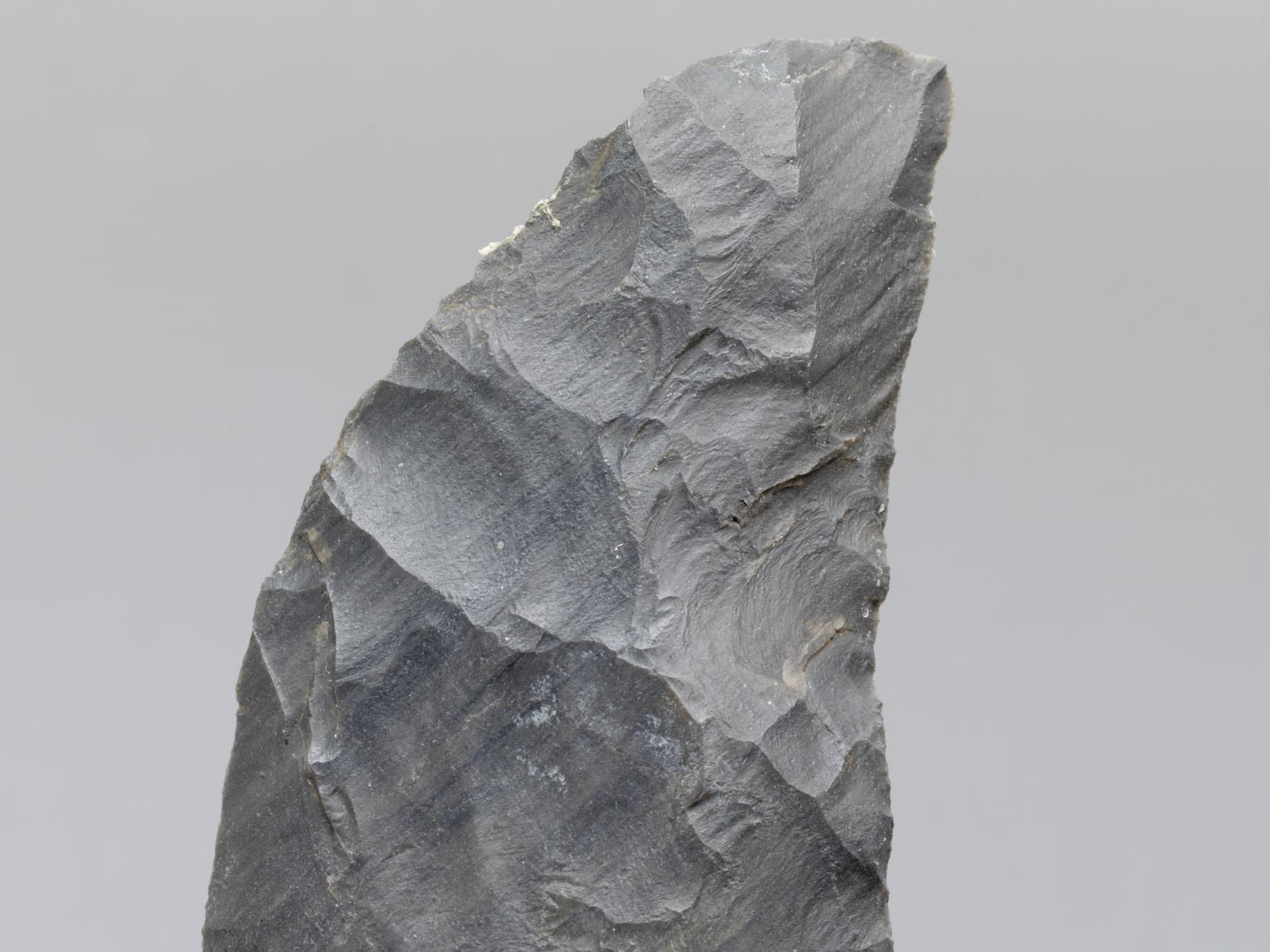
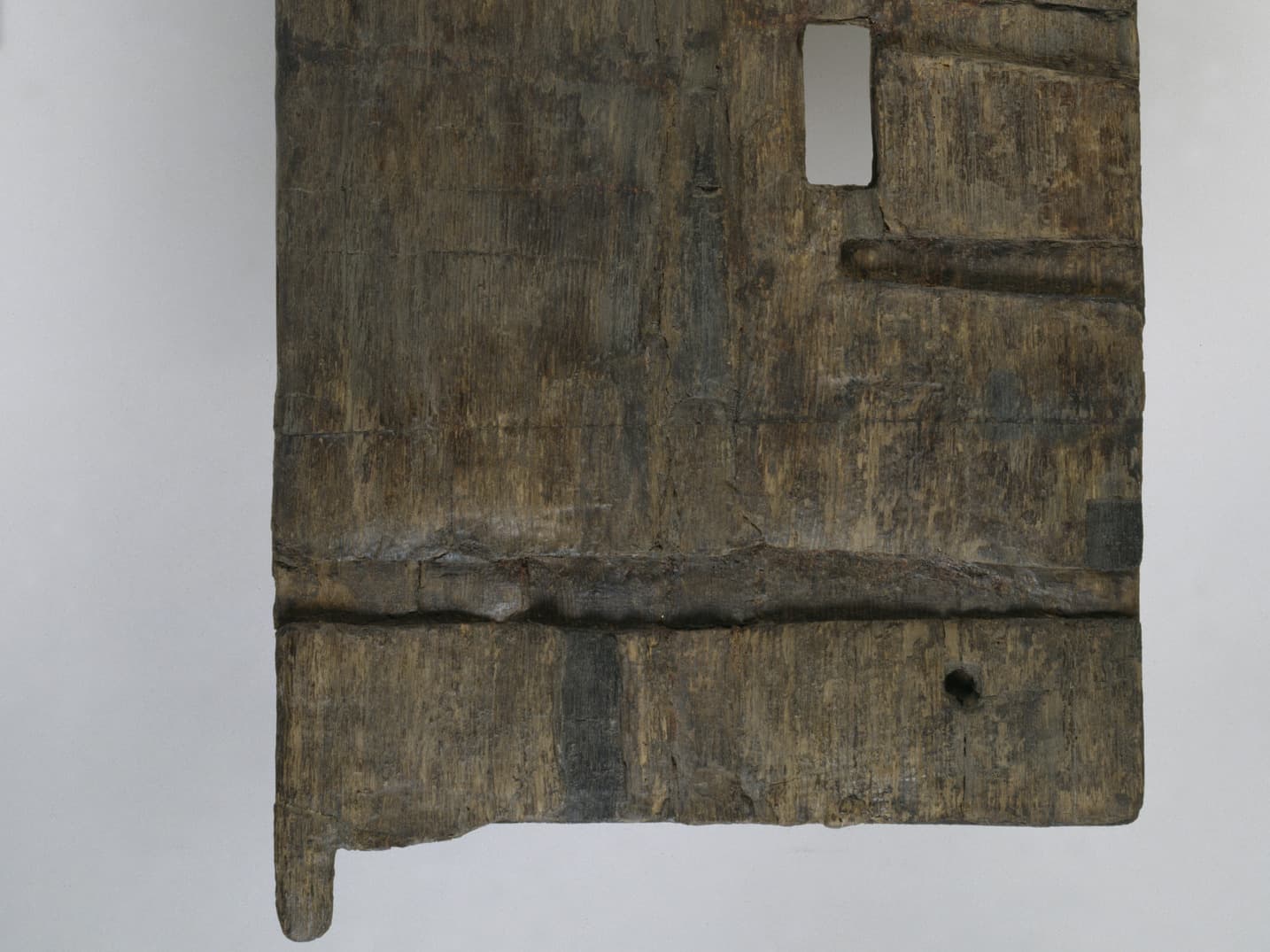
Meticulously documented with locations, circumstances of discovery, and inventory numbers, finds from all eras are stored here on over 1000 square meters. Among them are Paleolithic hand axes, ceramic shards from the Neolithic to the Middle Ages, stone axes, jewelry, or weapons from the Metal Ages. But also botanical remains, soil samples, or the waste from early modern settlements are kept here. The archaeological archive is therefore an important point of contact for a variety of researchers who are engaged in the prehistory and early history of North Hesse and the surrounding areas.