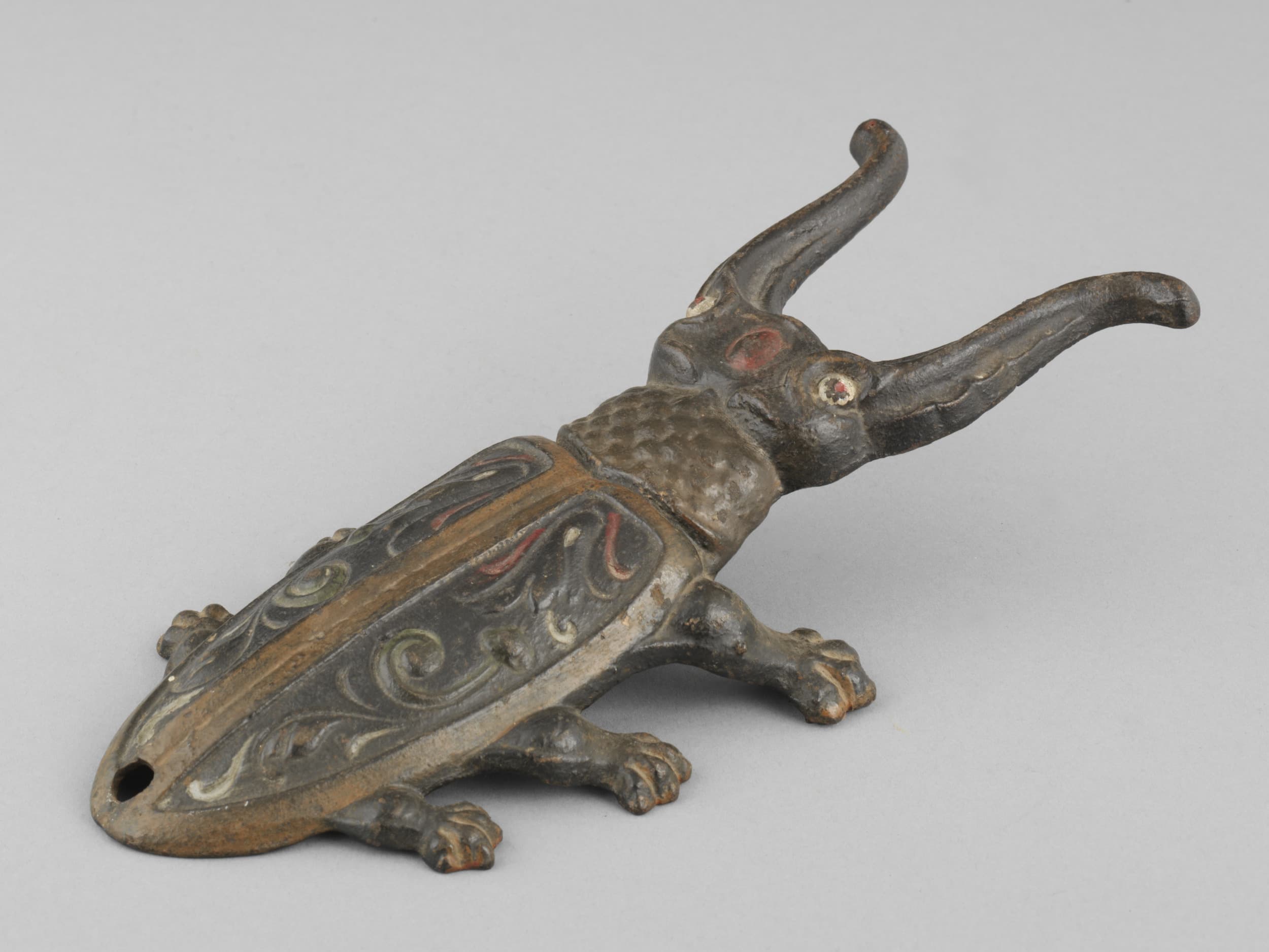
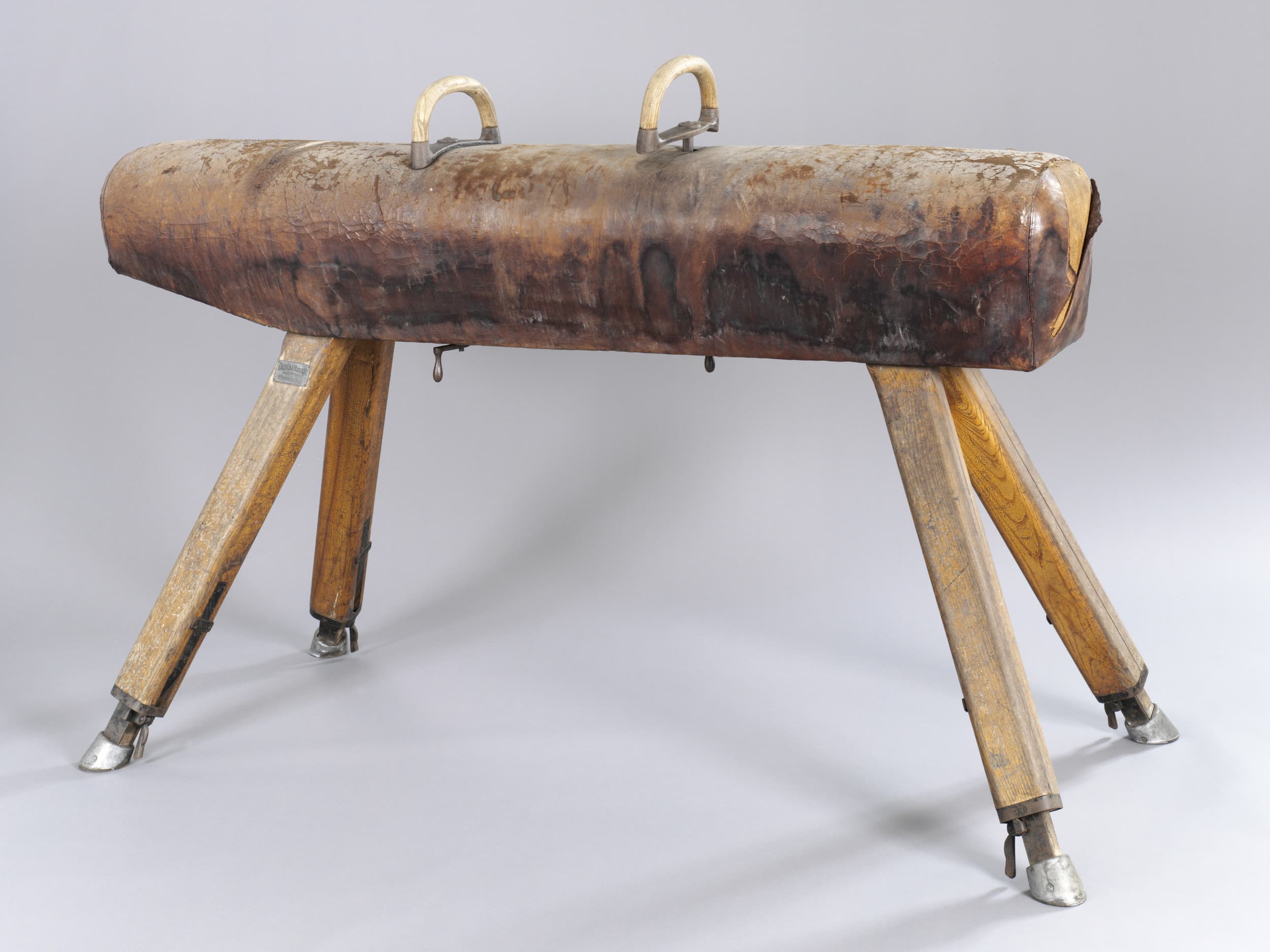
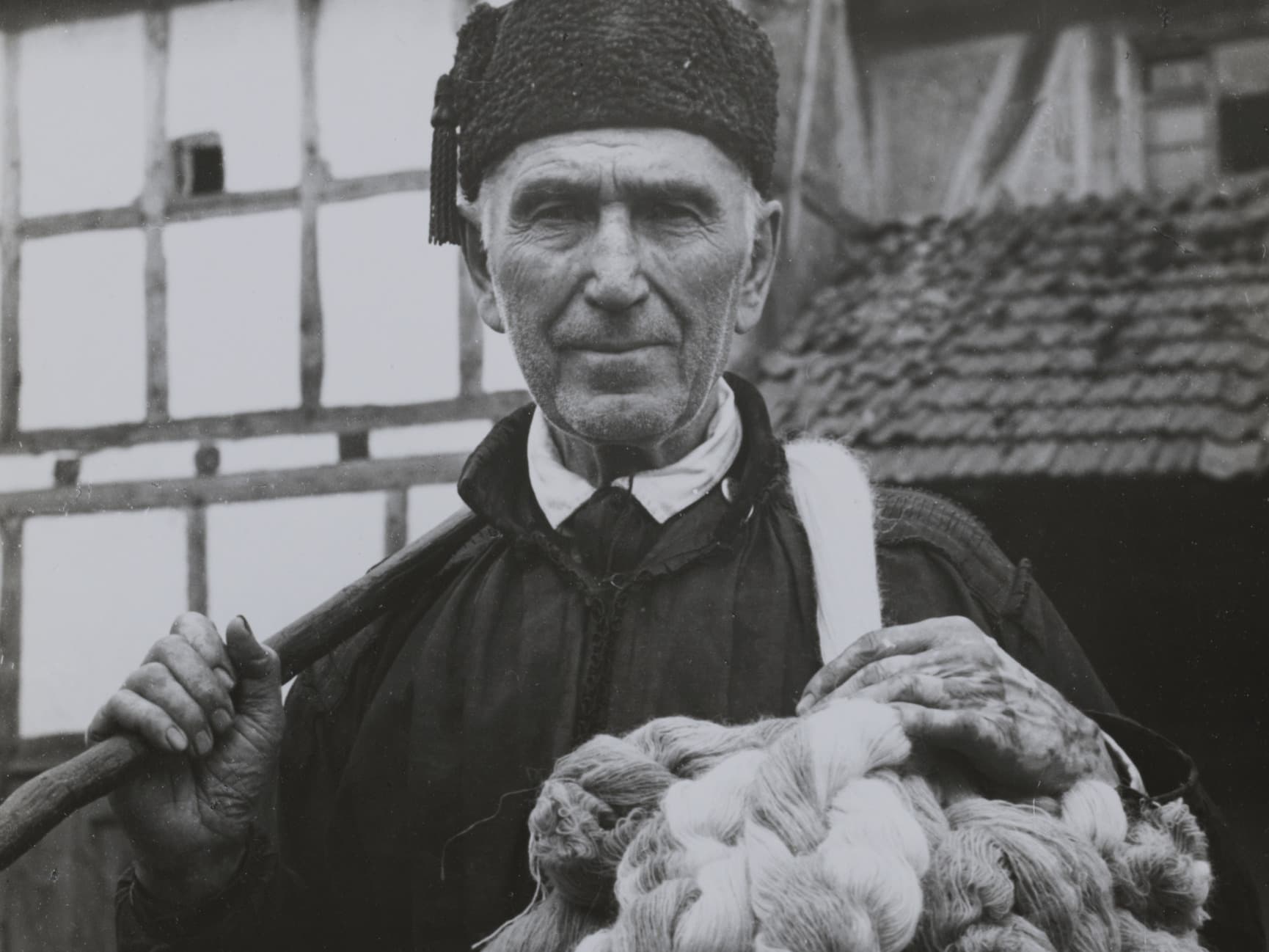
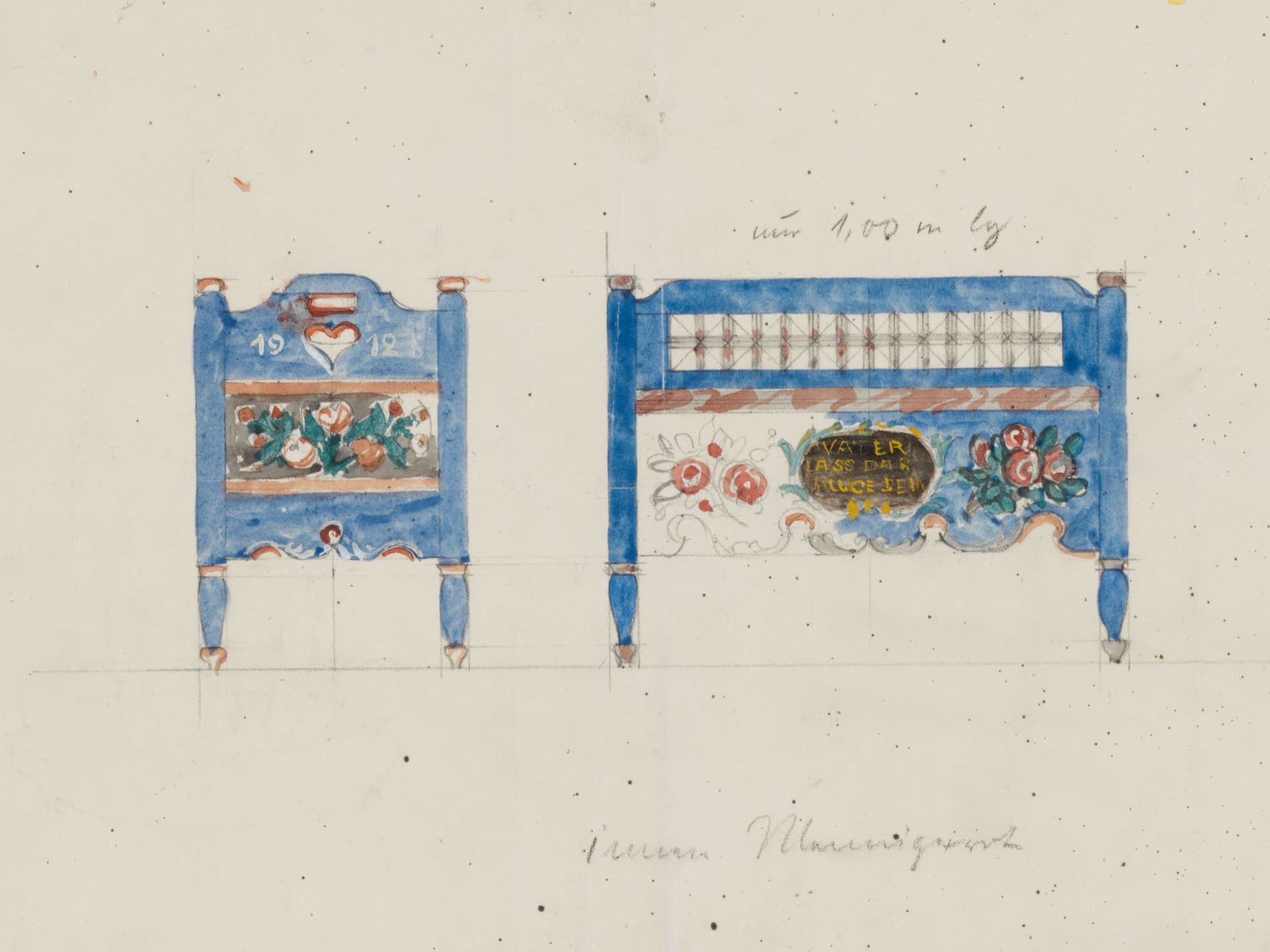

The collection of regional history and everyday culture has its origins in the early 20th century. The advancing industrialization and urbanization had led to massive changes in many areas of life. Familiar living environments were at risk of disappearing. In order to preserve the so-called folk culture, primarily rural furniture, traditional costumes, and handicrafts were collected at the beginning. Over time, changed collection concepts expanded the range of items.
Today, the collection includes objects from a variety of everyday life contexts in Northern Hesse from the 17th century to the present: furniture, tools, household appliances, or toys show how people in artisan and lower-middle-class families, in peasant and working-class households lived, worked, ate, and spent their leisure time. At the same time, they reflect the technological changes and cultural transformation of the last 200 years. Often, the objects are also witnesses of social crises, political upheavals, and societal movements. The history behind the objects is essential: who used or made them, and what significance did they have for the people. Personal testimonies such as letters, diaries, or interviews also provide insights into different life designs, fates, and attitudes. And the increasing diversity of society is also reflected in the collection.