Under our feet

Under our feet

Under our feet

Under our feet

From the Old Stone Age to the Early Middle Ages

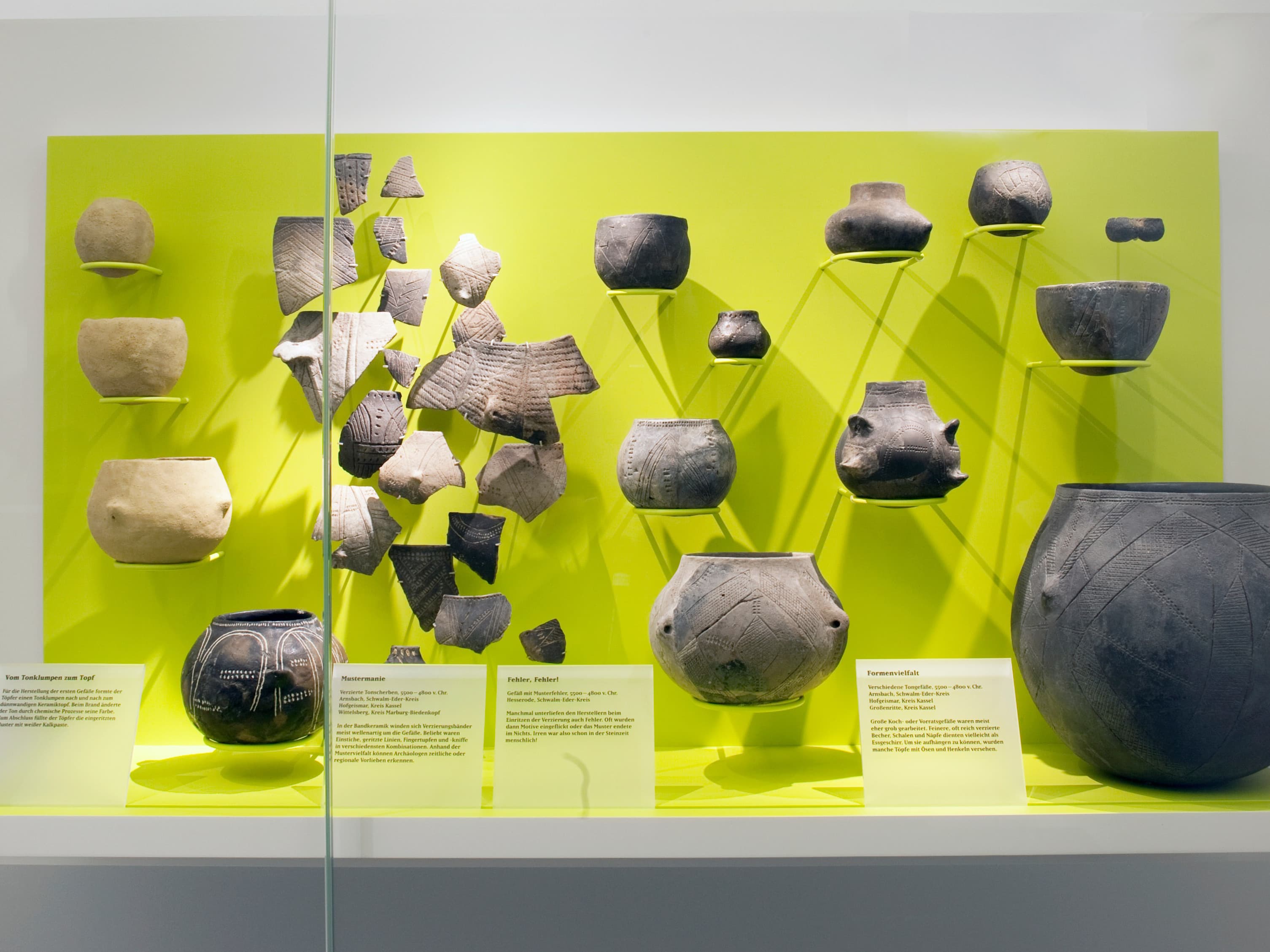
On the ground floor of the National Museum, archaeological finds from 300,000 years ago provide insights into the distant past of our region. Significant innovations are reflected in the rich collections of prehistory and early history: the invention of tools, the transition to sedentism, or the discovery of metalworking.

Visitors learn exciting things about the technology of hand axe production among the Neanderthals or about the jewelry of women in the Bronze Age. Many questions are answered: where people lived in the Iron Age, when the Chatti came to Hesse, or what difficulties the missionary Boniface faced.

The two covered inner courtyards are dedicated to the more recent developments in agriculture and the use of local resources in the Middle Ages and modern times. They make you curious for further discoveries on the upper floors.

From the treasure trove of history

Artistic items for everyday use

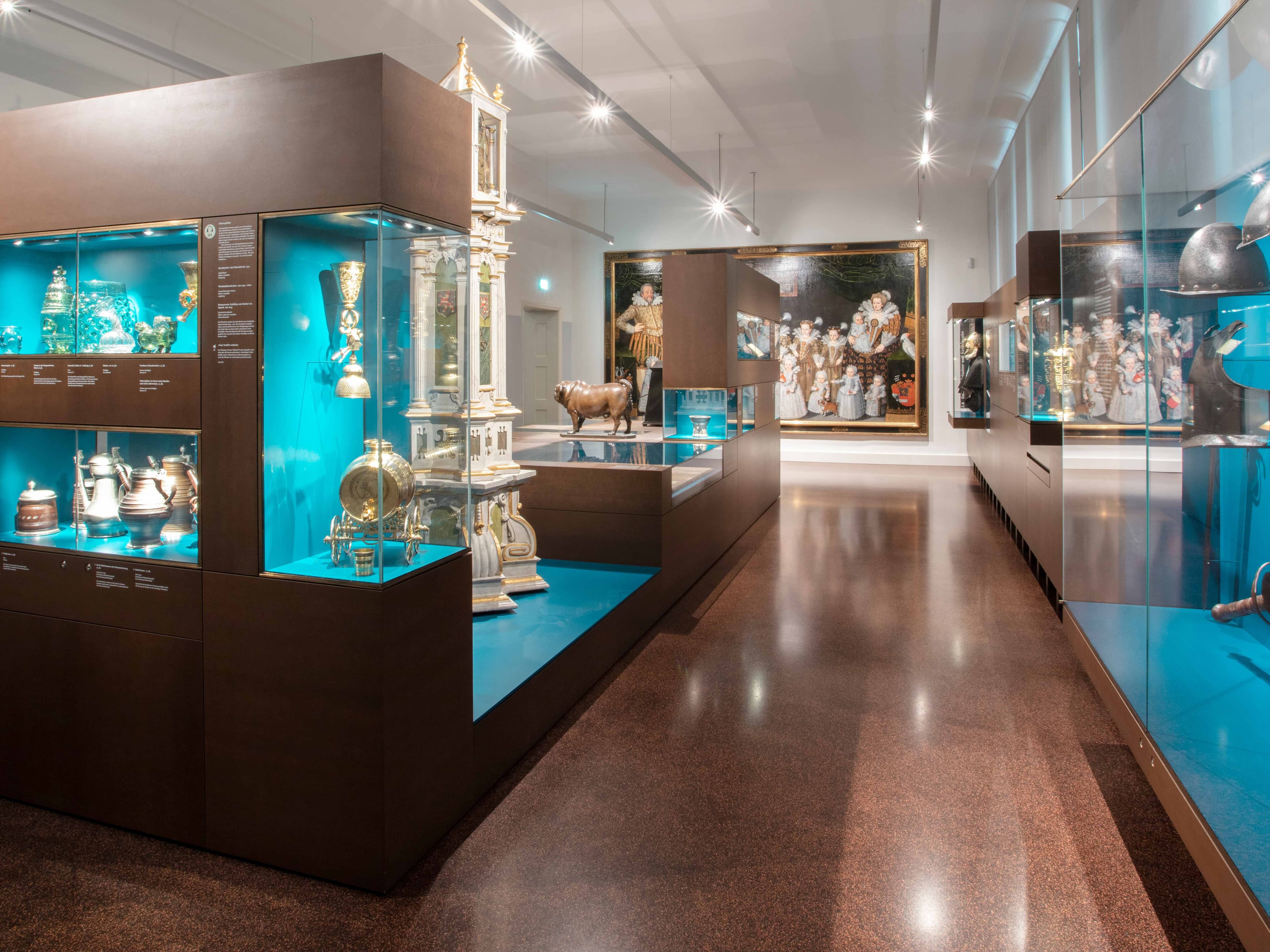
The second level of the Hessian State Museum is a true treasure trove of arts and crafts and design. The exhibition shows what the Hessian landgraves collected in seven centuries of rule over the region in terms of artistic objects. The objects make the changes in history visible and tangible.

The exhibition showcases artworks from churches and monasteries, from cities and villages. Particularly, the exhibits from the possessions of the Hessian landgraves demonstrate their courtly culture and collecting zeal. There are art chamber pieces from Moritz the Learned and baroque art from the court of Landgrave Carl. Also on display are historical glass, amber, and ivory, as well as faience - a type of ceramic -, porcelain from Meissen, Kassel, and Fulda, and precious pieces from the princely porcelain galleries from China and Japan.

In the middle of life

Everyday life in constant change

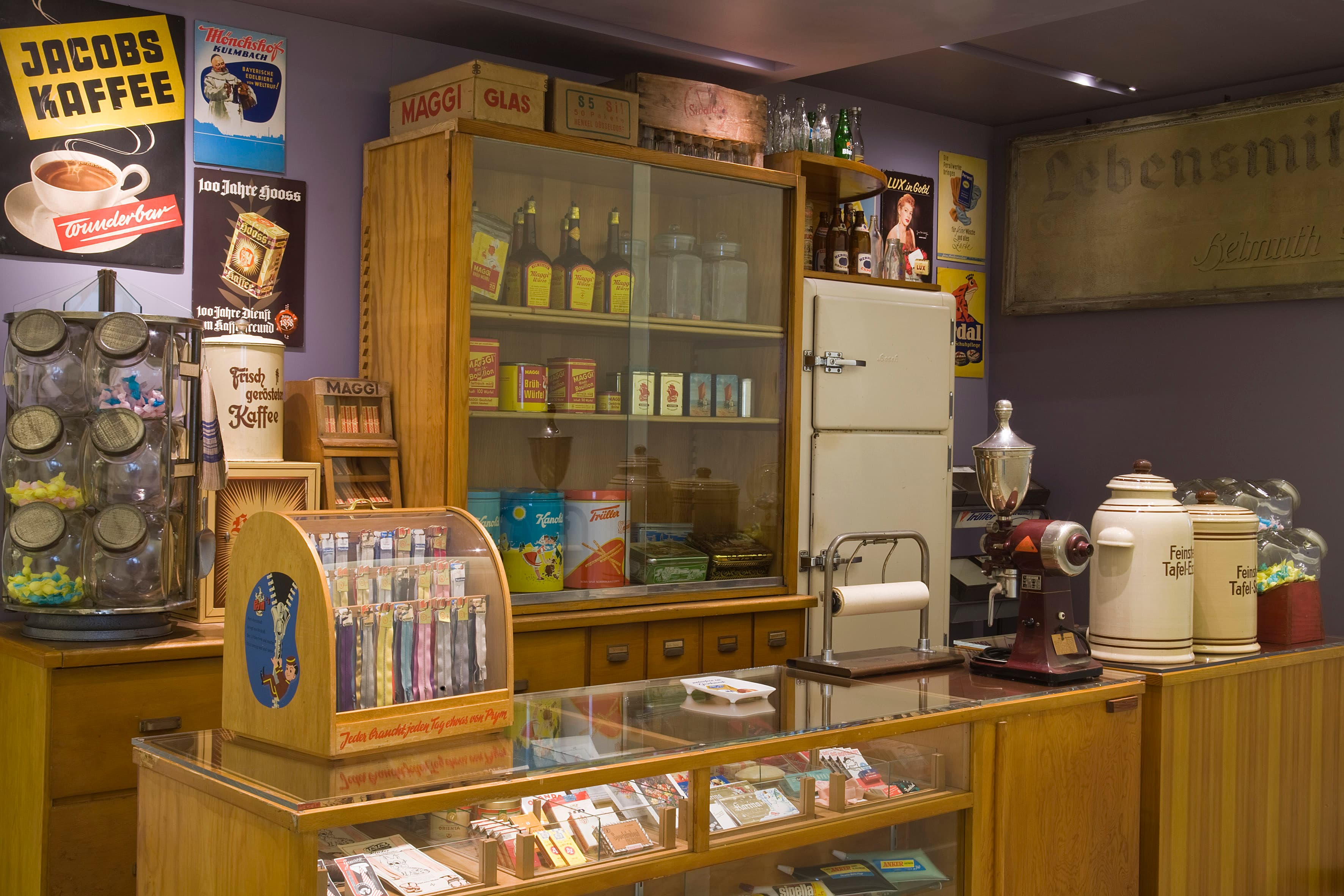
Level 3 at the Hessian State Museum focuses on the recent development of the cultural and regional history of North Hesse. The main focus is on the everyday life of people from around 1800 to the present day: how much and how quickly it changed - and is still changing.

Machines often replaced handicraft production in a short period of time. New inventions such as the railway radically changed everyday life. People migrated, others arrived here, in search of a better life.

The 19th century was also characterized by the struggle of citizens for political participation and freedom. Women fought for equality. The two world wars, National Socialism, the democratic new beginning after 1945, and the reunification also left traces in the region. Eyewitness reports make this experienceable for all visitors.