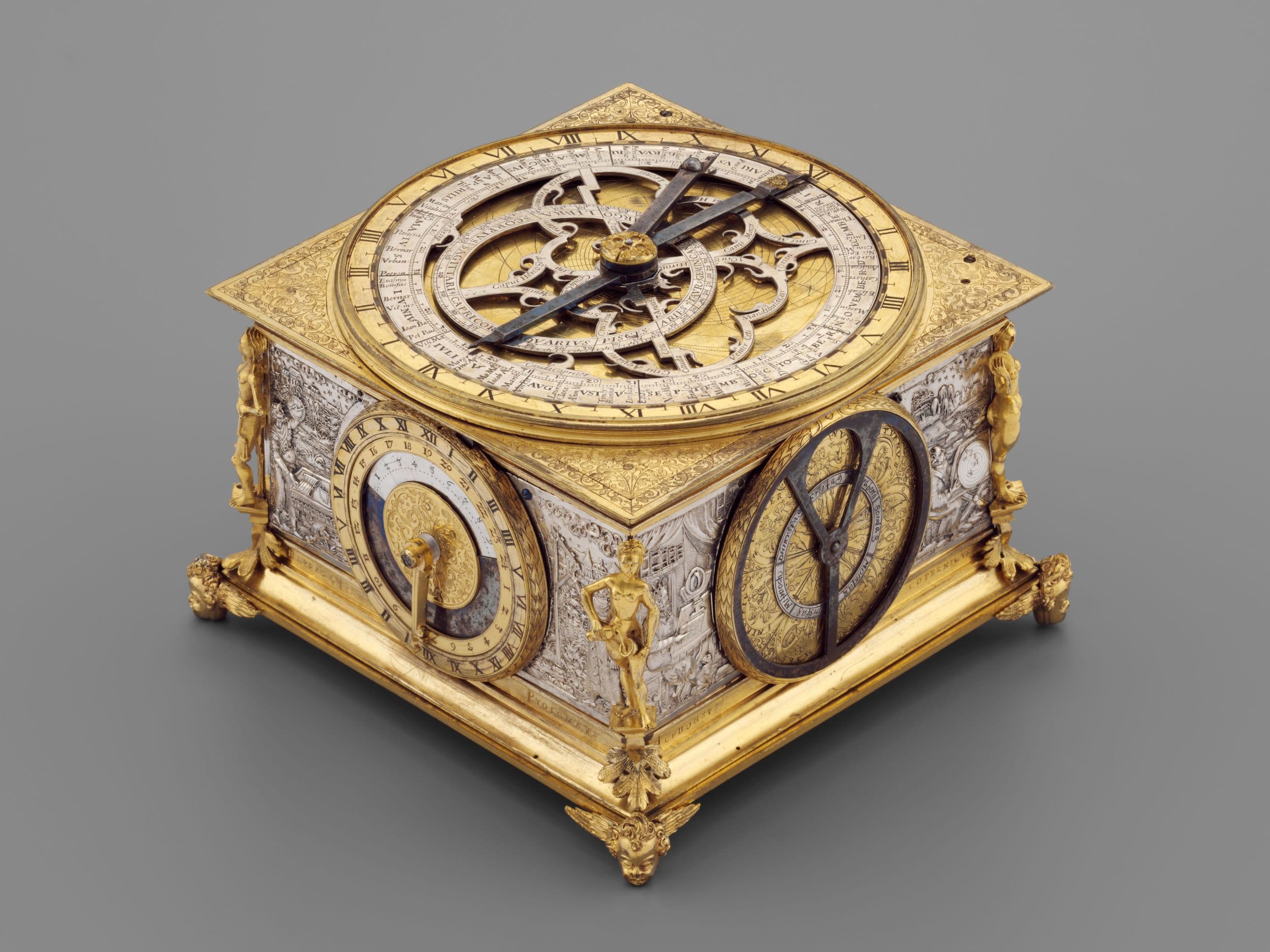
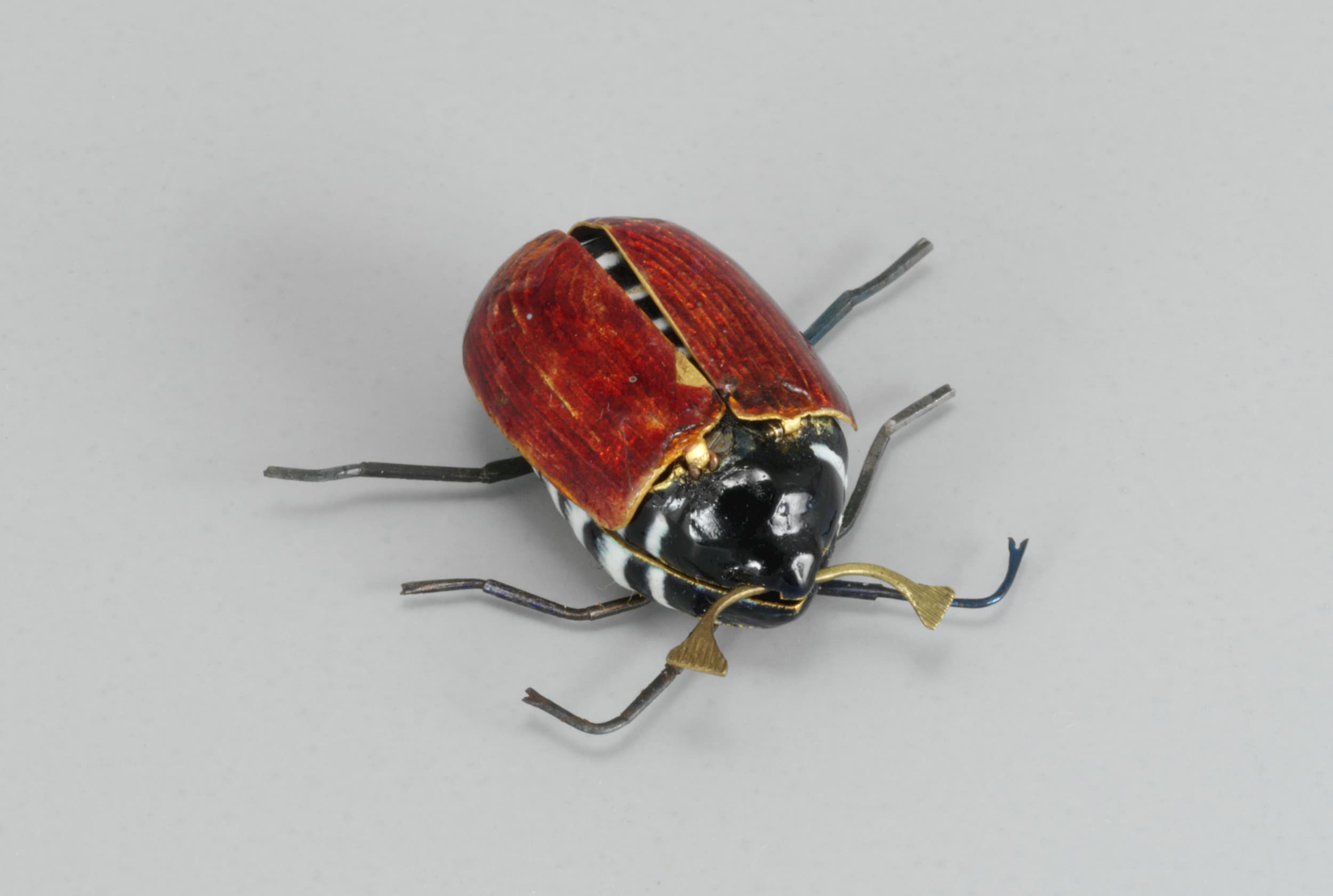
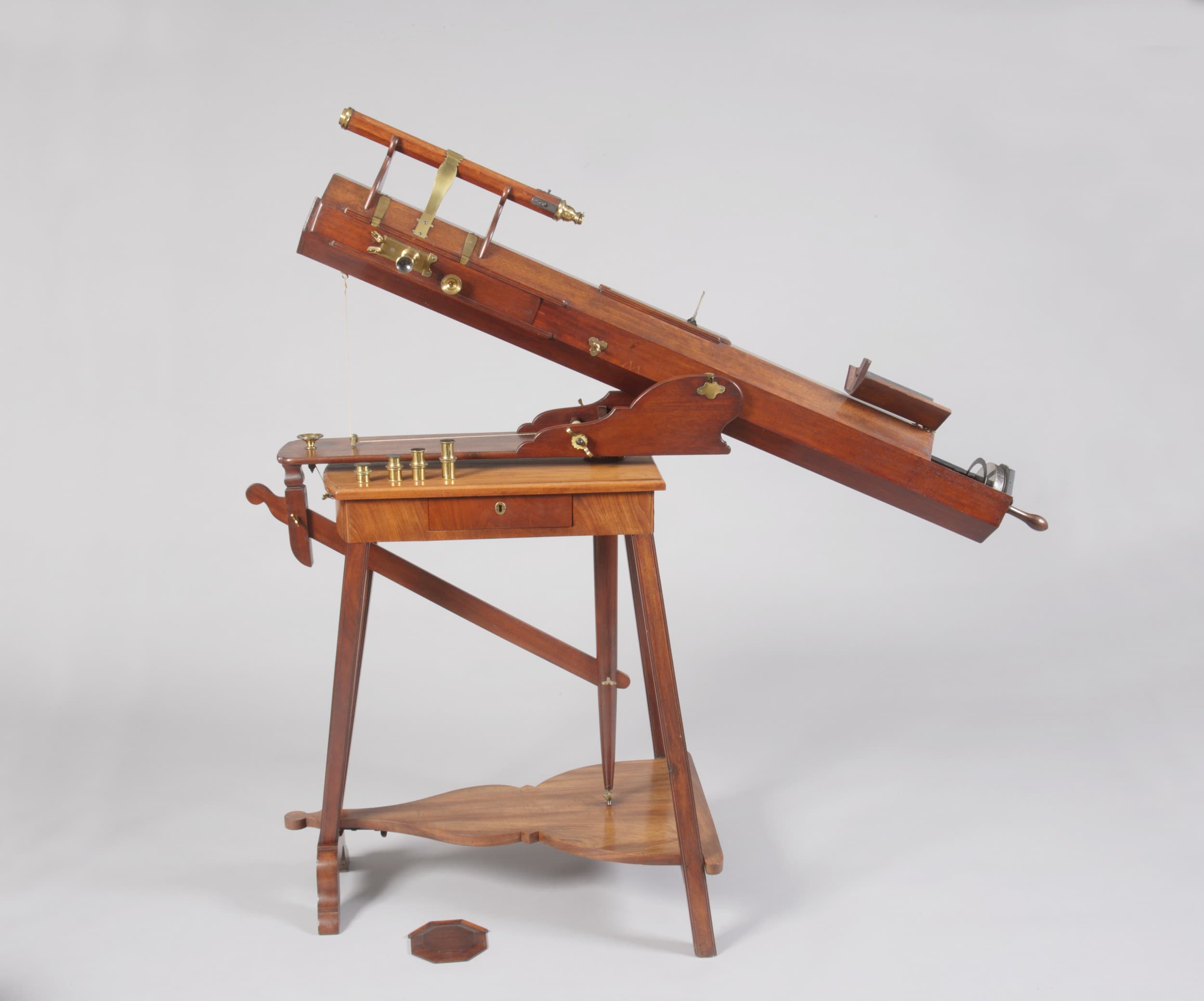
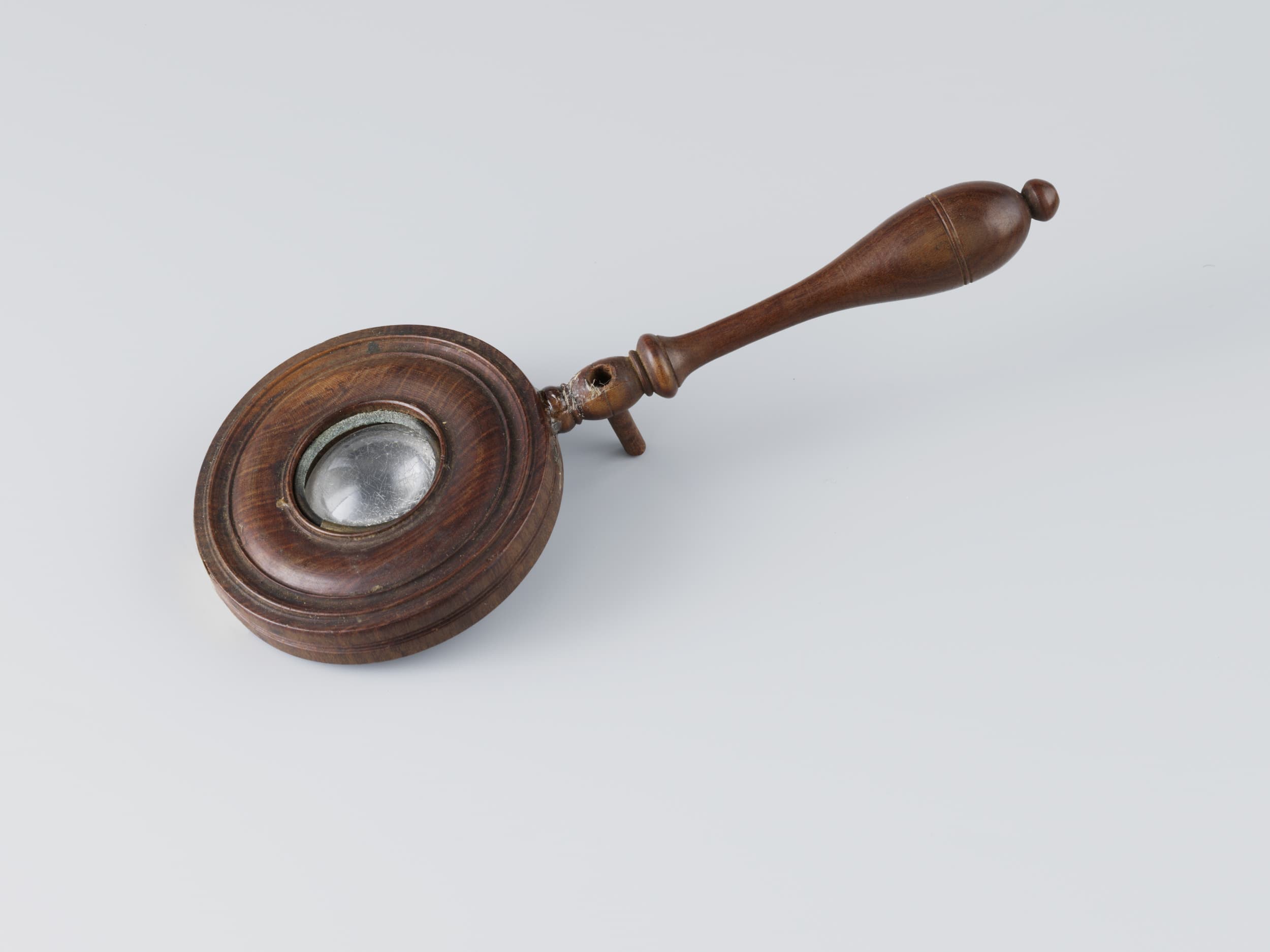
The Astronomical-Physical Cabinet houses high-quality historical measuring instruments, clocks, and apparatuses for physical experiments, mainly from the era of the scientific revolution. The nucleus of the collection consists of measuring instruments, planet clocks, and mechanical celestial globes that Landgrave Wilhelm IV of Hesse-Kassel (1532–1592) acquired for his observatory. Employees of the observatory like the clockmaker and mathematician Jost Bürgi and the astronomer Christoph Rothmann were among the earliest adherents of the Copernican view of the world, and Kassel was one of the hotspots of astronomical research in Europe.
After the Thirty Years War, Landgrave Carl (1654–1730) revived the tradition of Wilhelm IV and significantly expanded the inherited collection to equip the Collegium Carolinum, his scientific teaching academy at the Kassel court, with the most precise apparatuses for exploring nature. Furthermore, he succeeded in appointing the Huguenot Denis Papin to Kassel, who is considered one of the three pioneers of steam engine construction around 1700. Under Landgrave Frederick II (1720–1785), the collection of astronomical instruments was mainly expanded when the third Kassel observatory was established on the Zwehrenturm in 1783.
The last major expansion of the Astronomical-Physical Cabinet occurred in 1962 with the integration of the old stock of angular measuring instruments and precision pendulum clocks, which had been used between 1800 and 1900 at the Hamburg Observatory Bergedorf on expeditions and for the time service of the Hamburg port. Today, the Astronomical-Physical Cabinet of Hessen Kassel Heritage is considered one of the most important special collections of scientific instruments and clocks worldwide.
Originally, the collection of the Astronomical-Physical Cabinet was housed as a permanent exhibition in the Orangerie. Due to a necessary basic refurbishment of the building, the museum area is currently closed and the exhibition is displayed in small special presentations at the Hessian State Museum.
%2F&w=3840&q=75)