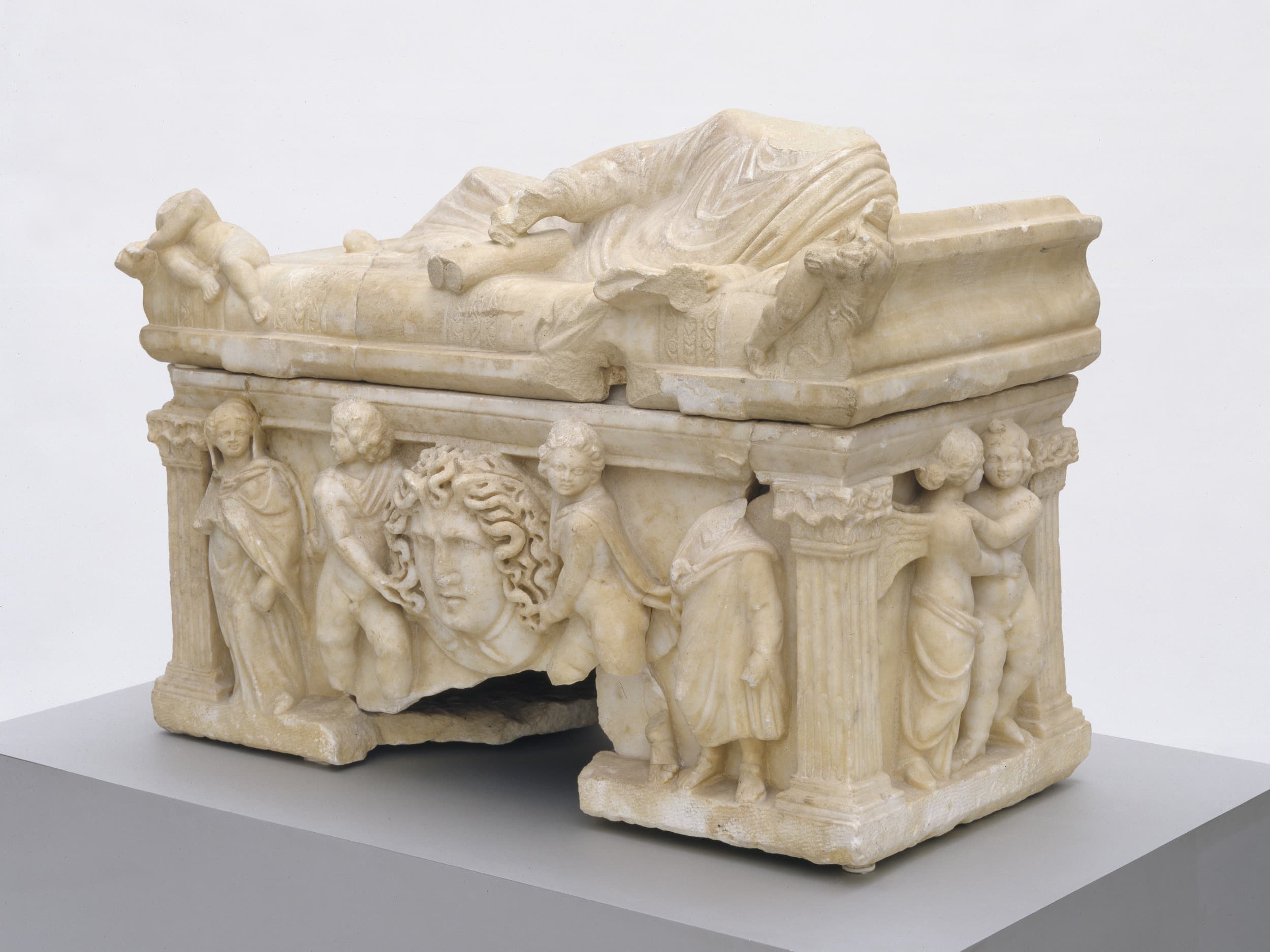
Decisive for the outstanding collection of the Kassel Antiquities Collection was Landgrave Frederick IIHis outstanding acquisitions, for example ancient sculptures during The Italian Journey 1776/1777 became the foundation of the inventory.
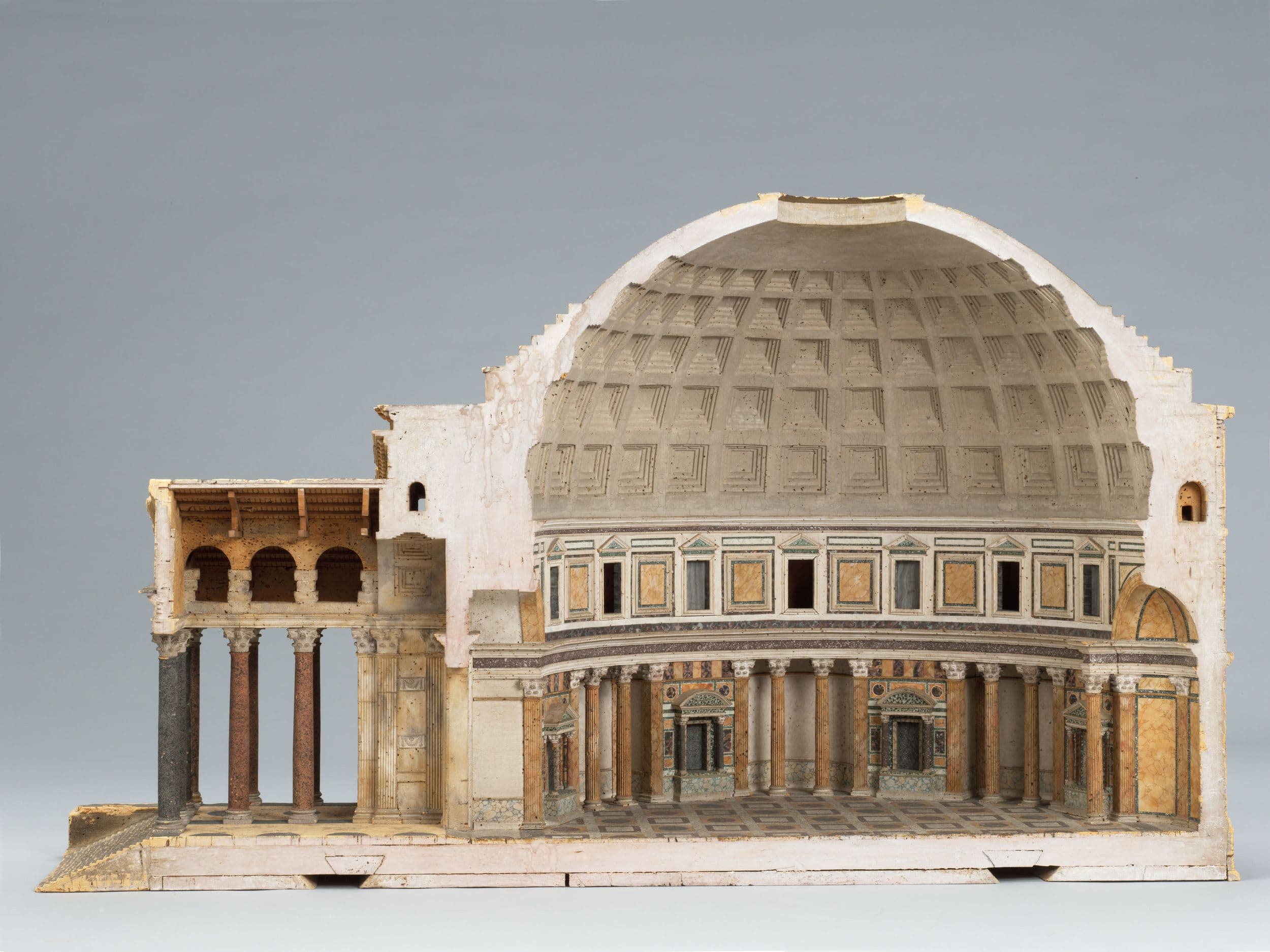
Friedrich II's princely predecessors, Father Wilhelm VIII and grandfather CarlThe Kassel Hercules is the first evidence of princely enthusiasm for antiquity in Kassel. In addition to Greek marble reliefs brought by soldiers from Athens to their Landgrave Carl, he acquired in 1700 in Venice the gem collection of Antonio Capello. The interest of William VIII, who is mainly known for the establishment of the Kassel Picture Gallery, was wide-ranging. His purchases, for example during the auction of the Wassenaer-d'Obdam collection in The Hague in 1750, illustrate the interest in ancient and antique-style art.
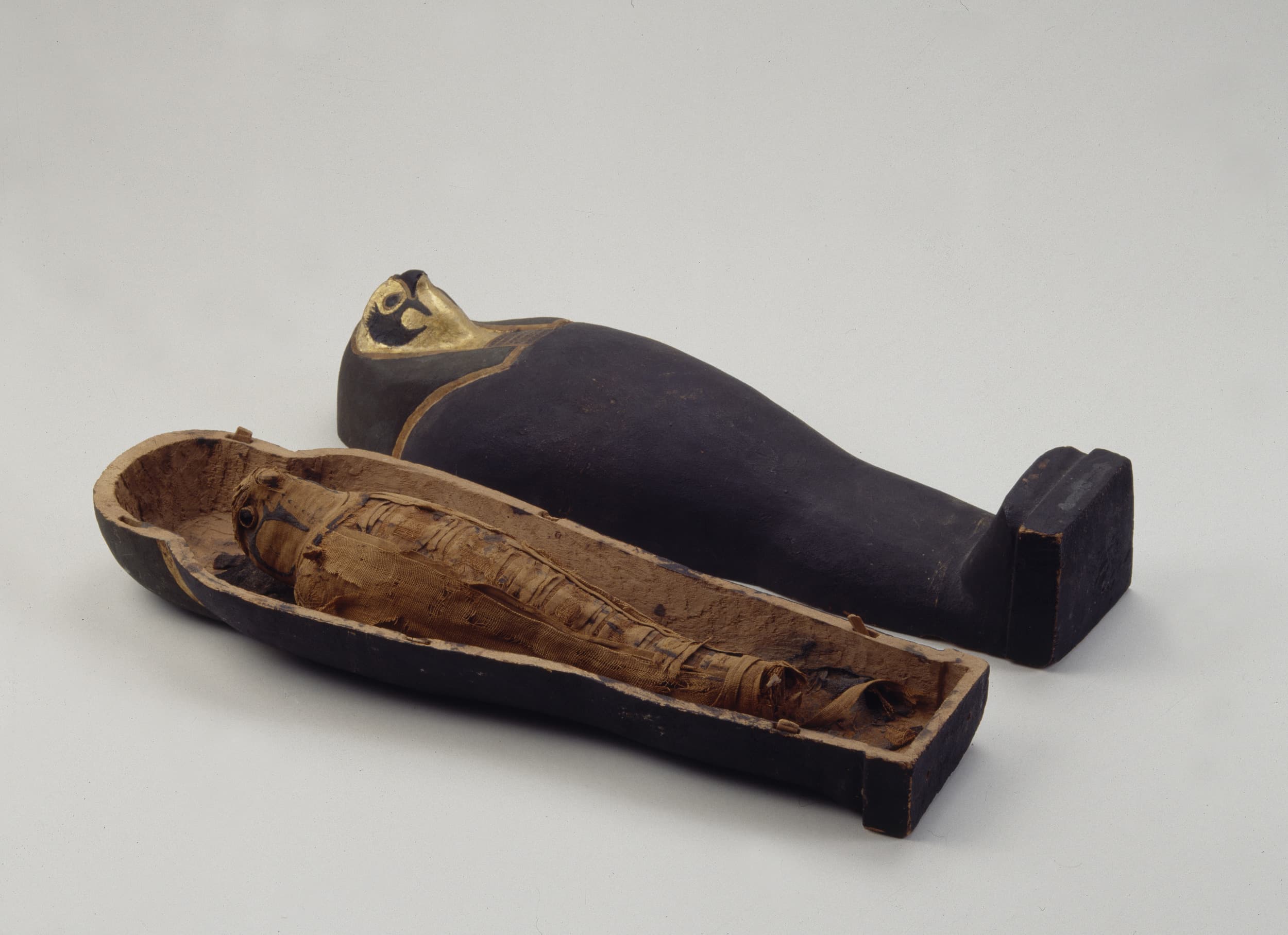
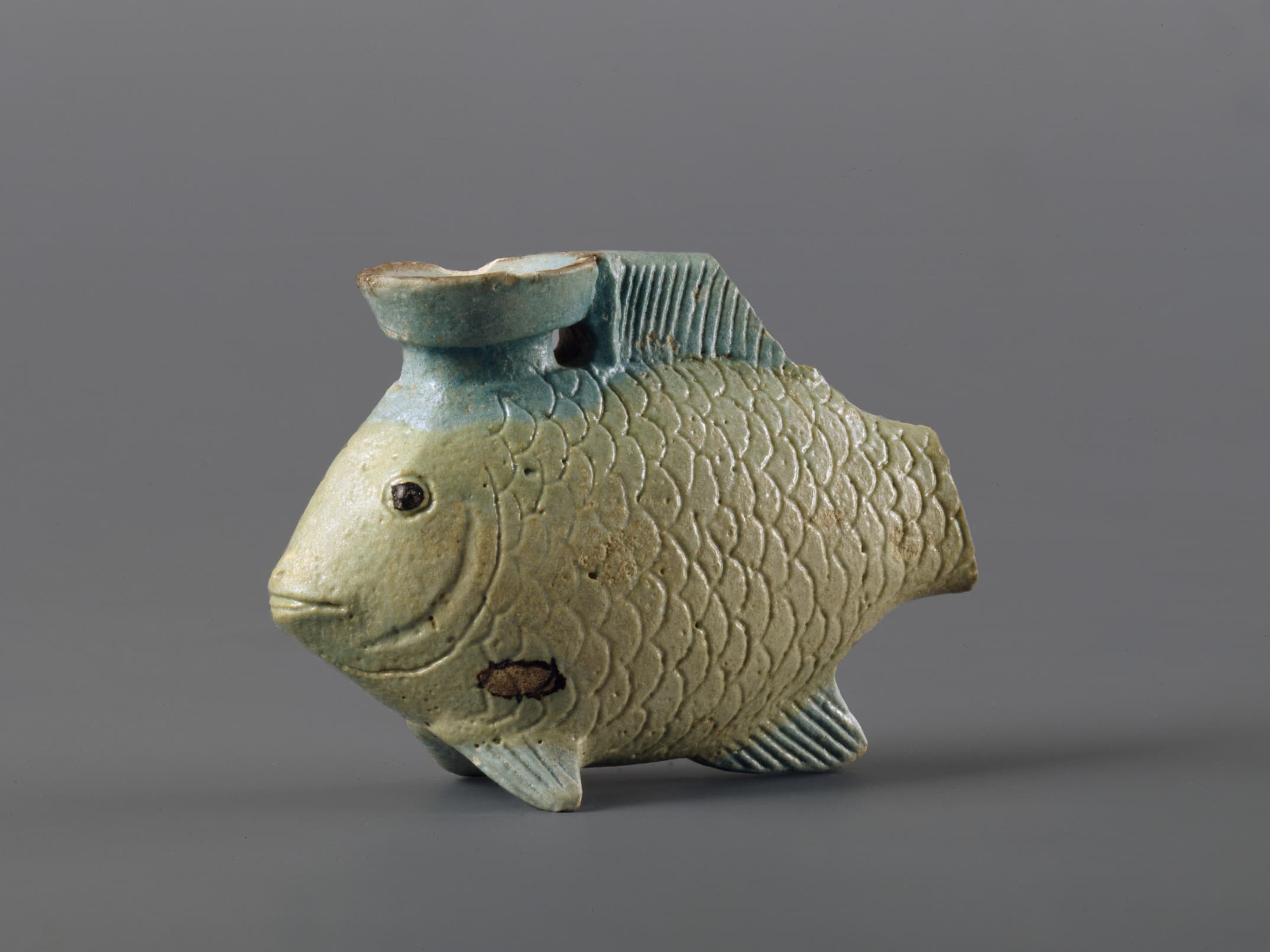
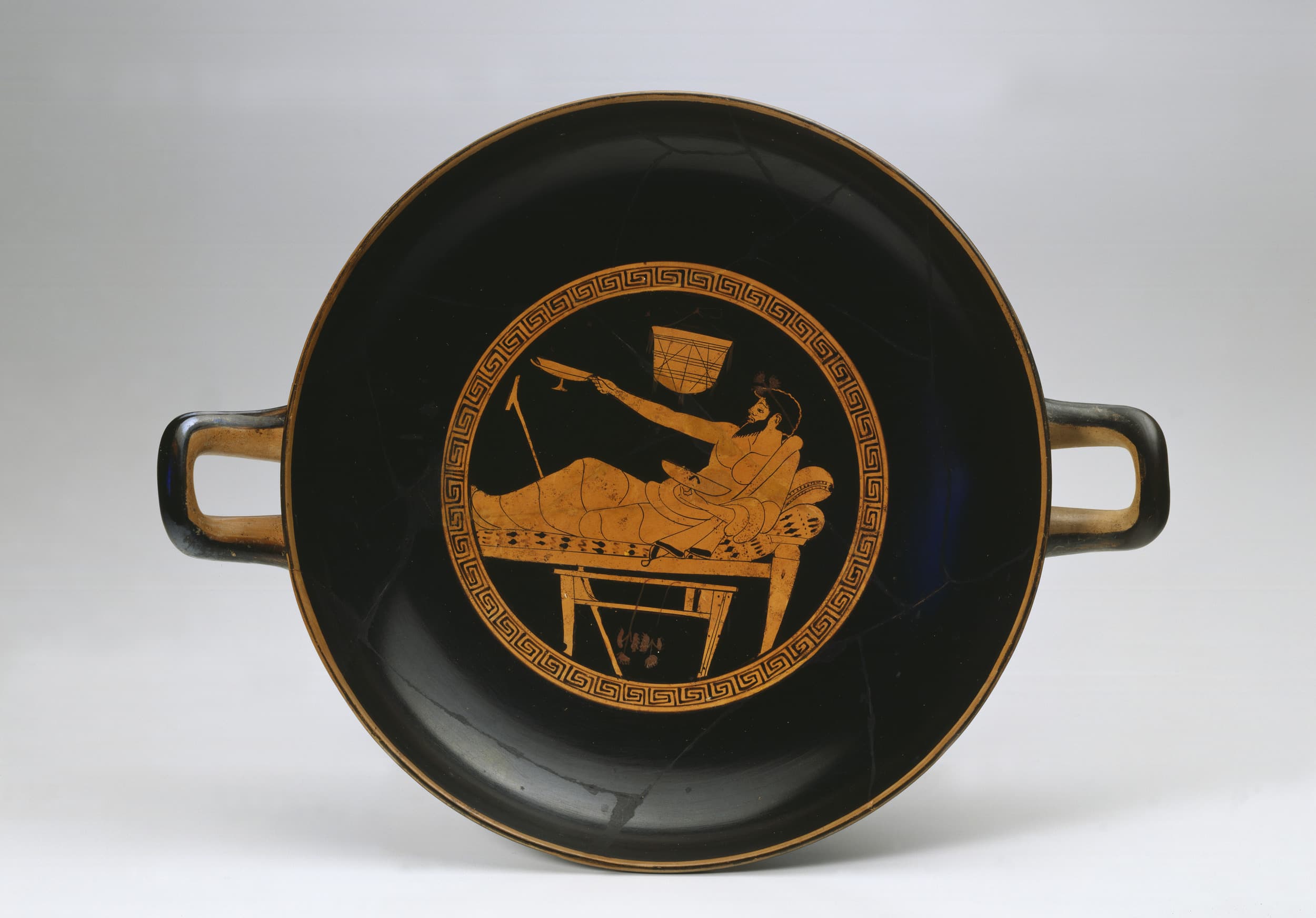
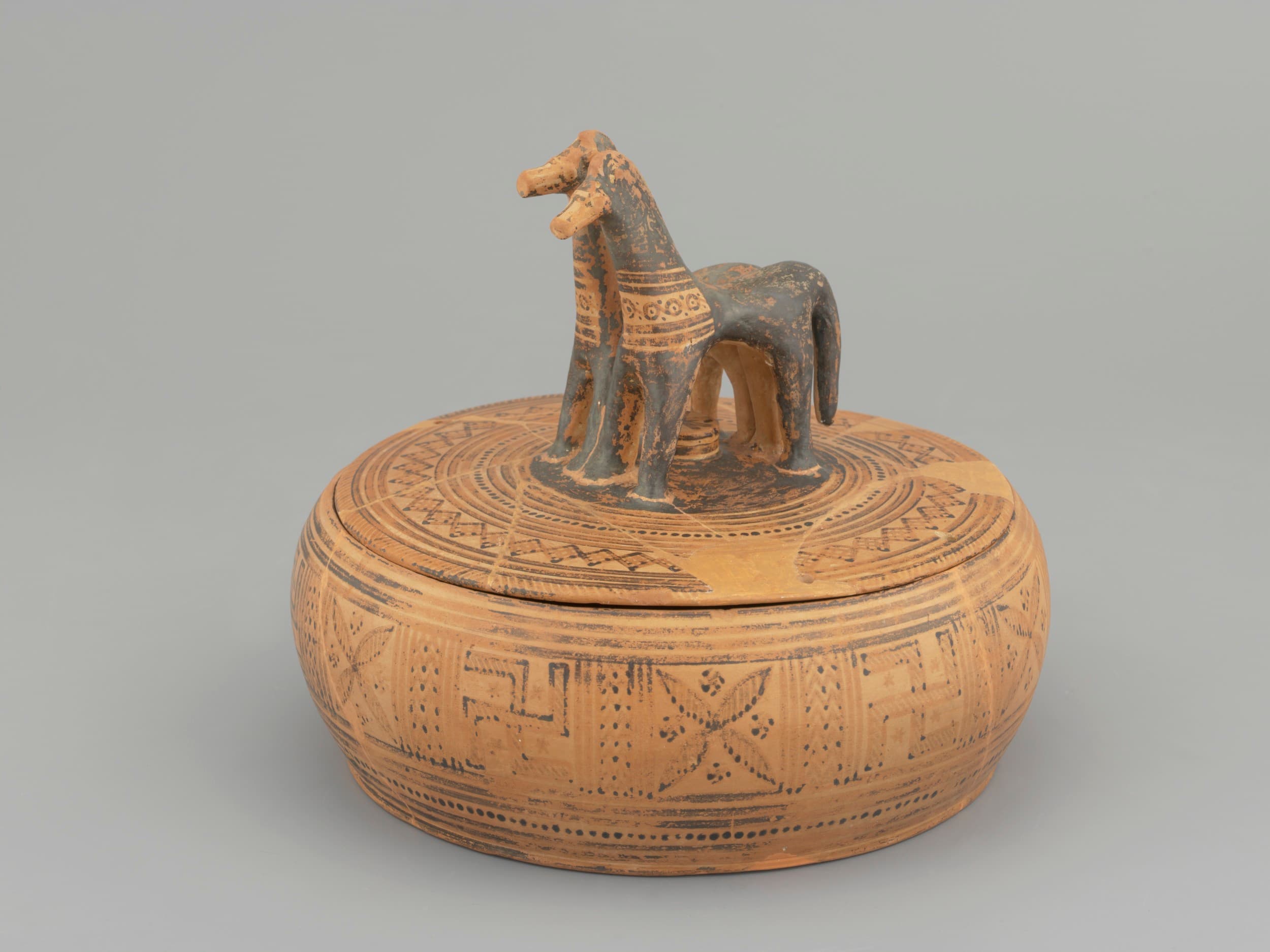
During the 19th and 20th centuries, the responsible scientists expanded the collection according to professional criteria, initially for the Prussian and then for the Hessian state. With the advancement of scientific archaeology, new epochs (Minoan Crete, Mycenae, Egypt) and art landscapes (Etruria, Southern Italy, Asia Minor) were increasingly included. Today, no more acquisitions are made. The collection of approximately 4,500 objects is fully housed in the Online database available.
%2F&w=3840&q=75)
%2F&w=3840&q=75)
%2F&w=3840&q=75)
%2F&w=3840&q=75)
%2F&w=3840&q=75)
%2F&w=3840&q=75)