%2F&w=3840&q=75)
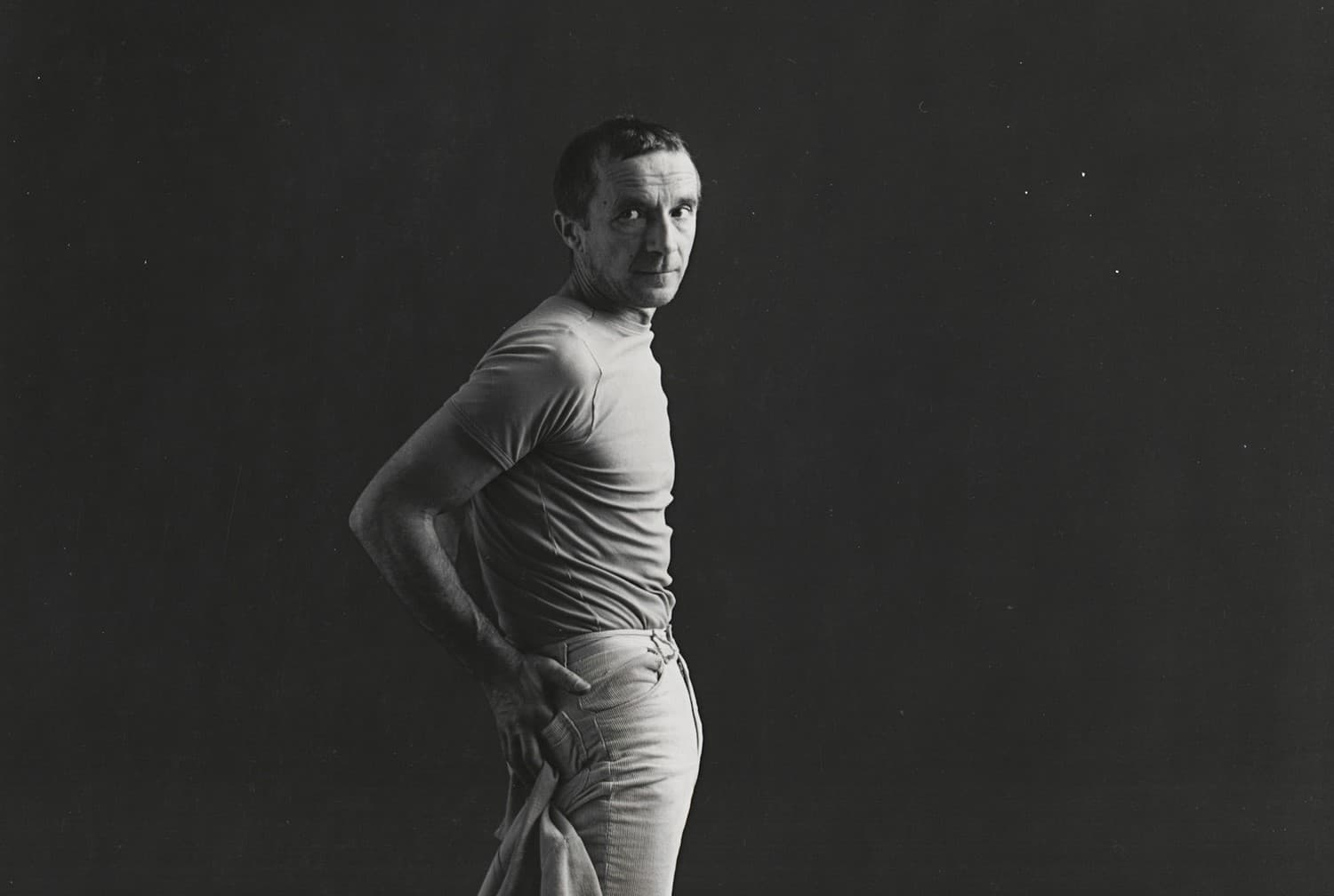
On January 25, 2025, Harry Kramer would have turned 100 years old. The Kassel art professor, documenta participant, and initiator of the artist necropolis in Habichtswald undoubtedly ranks among the most colorful artistic personalities of the city. On this occasion, the documenta archive, Hessen Kassel Heritage, and the Museum for Sepulchral Culture present kinetic sculptures, films, photographs, and graphics from all creative phases of the artistic universalist.
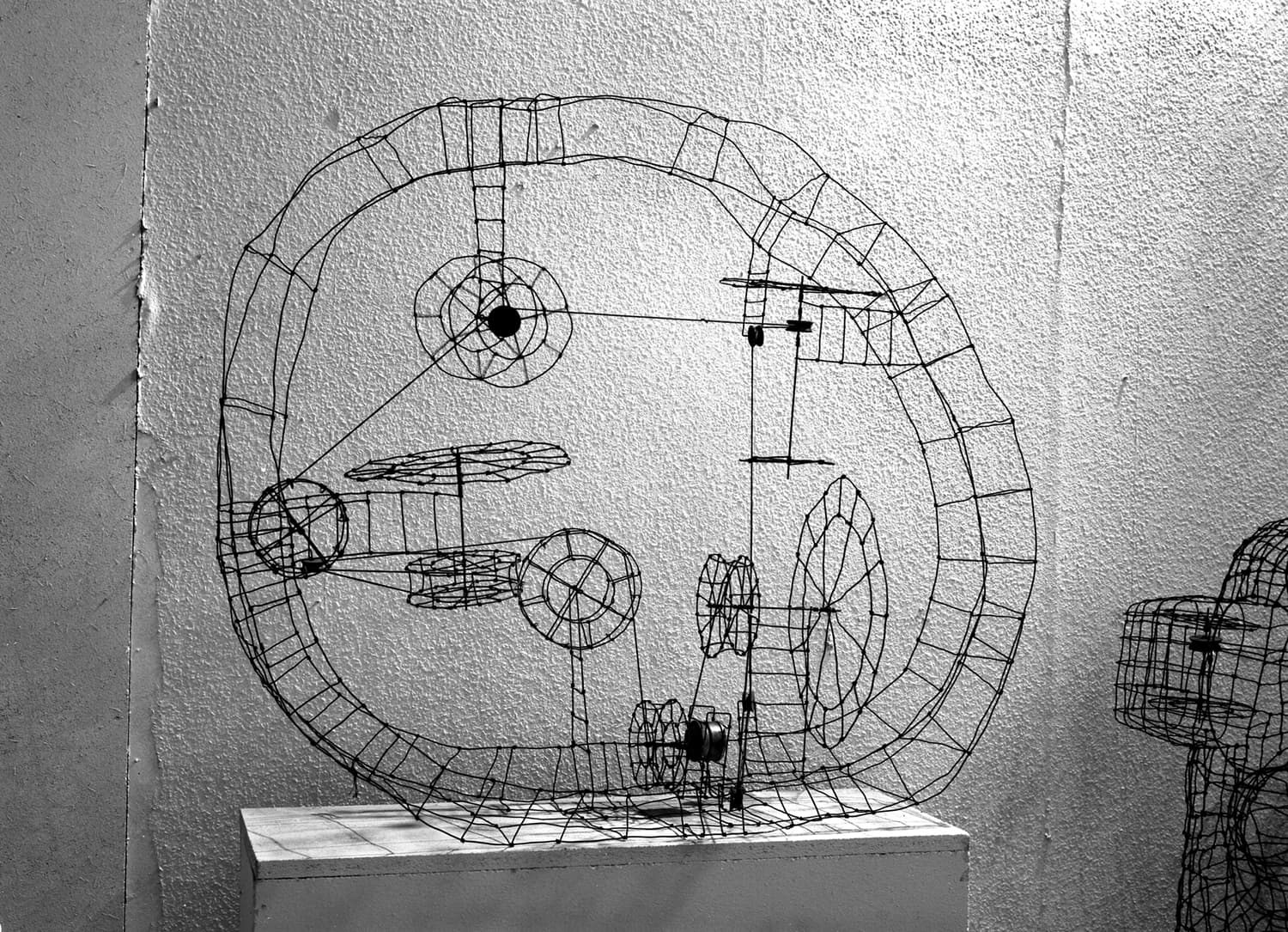
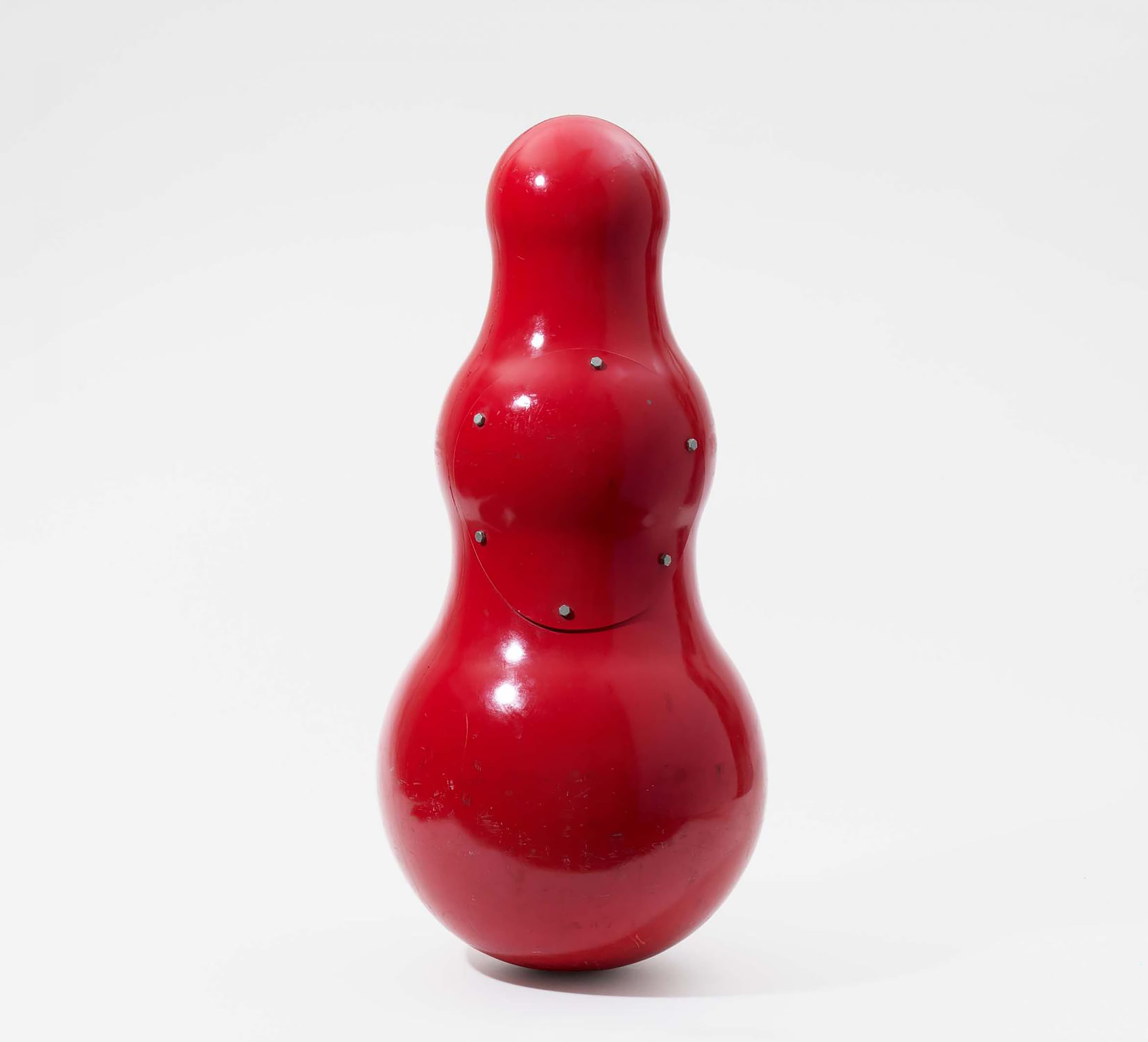
Der Tänzer, Schauspieler und gelernte Frisör Harry Kramer (1925–1997) betrat die Bühne der bildenden Kunst Anfang der 1950er-Jahre als künstlerischer Autodidakt. Zeitlebens experimentierfreudig und unkonventionell changierte sein Schaffen zwischen den Ausdrucksformen der bildenden und der darstellenden Künste. Die Nähe zu Theater, Zirkus, Jahrmarkt und Spektakel zieht sich wie ein roter Faden durch sein Werk. Auf frühe Figurinen für ein „Mechanisches Theater“ (1952) folgten in den 1960er-Jahren preisgekrönte Experimentalfilme und erste „Automobile Skulpturen“. Internationale Aufmerksamkeit erlangte Kramer schließlich mit seinen geknoteten Drahtplastiken – filigrane, mechanisch animierte Gebilde, die er ab 1961 in Paris entwickelte. Mit ihnen sorgte er auf der documenta 3 (1964) für Aufsehen. Die Sektion „Licht und Bewegung“ mit der Düsseldorfer Gruppe Zero, dem Schweizer Jean Tinguely und weiteren Pionieren der Kinetik wurde zur Sensation – Kramers Plastiken avancierten zur Entdeckung der Ausstellung.
A new chapter began in 1970 with his appointment as a professor of sculpture at the University of Kassel. Gradually, he gave up his own sculptural work in favor of collaborative artistic projects with students: the "Atelier Kramer" was born. Unconventional teaching methods, the deliberate dissolution of genre boundaries, and collective actions shaped his more than two decades of work as a university professor.
The exhibition In Motion. Harry Kramer, Kassel, and the documenta Invites you to rediscover Kramer's artistic work and his impact on the city - as an individualist between disciplines, as a pioneer of kinetic art, as an initiator of socially engaged art projects. Almost three decades after his death, it is important to rediscover the complexity of his work.
The exhibition brings together works and multimedia documents from the documenta archive, the Neue Galerie, the Museum of Sepulchral Culture, as well as from private collections.
%2F&w=3840&q=75)
%2F&w=3840&q=75)